Why Early Pediatric Dental Care Sets Your Child Up for Lifelong Health

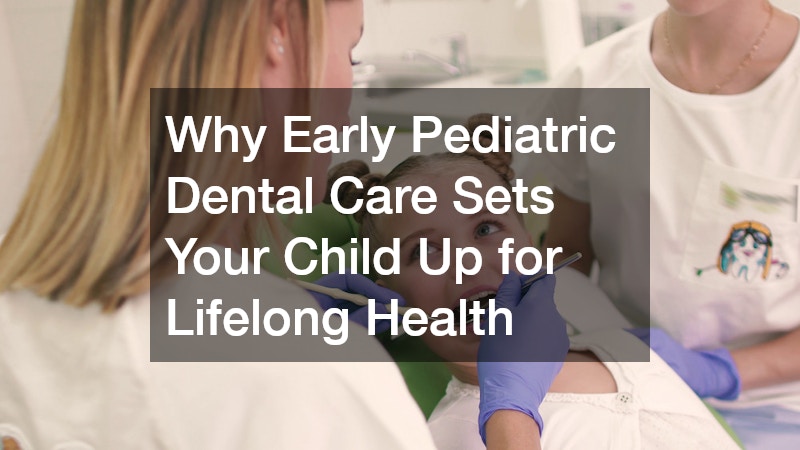
The foundation of a human being’s health begins long before adult choices come into play. Parents routinely track developmental milestones like crawling, speaking, and walking, yet oral health during early childhood often takes a backseat. Many assume that because primary teeth eventually fall out, their maintenance holds little long-term value. In reality, prioritizing pediatric dental care during a child’s earliest years lays the structural and behavioral groundwork for a lifetime of wellness.
Primary Teeth Play a Massive Structural Role
A child’s first set of teeth serves as far more than just a temporary placeholder for adult smiles. These small, delicate teeth act as natural guides for permanent teeth that develop beneath the gums.
When a baby tooth experiences decay or premature loss due to neglected pediatric dental care, adjacent teeth tend to shift into the newly open space. This crowding can block adult teeth from emerging correctly, resulting in complex orthodontic issues down the road.
Supporting Crucial Developmental Milestones
Beyond alignment, baby teeth directly influence how children learn to chew and articulate sounds. Teeth work in harmony with the tongue and cheek muscles to produce specific phonetics. If dental decay leads to discomfort or tooth loss, a child may develop speech delays or alter how they pronounce basic consonants. Proper nourishment also relies on functional teeth, as oral pain often leads children to avoid hard, nutrient-dense foods like raw vegetables and meats.
Protecting Systemic Health in Growing Bodies
The mouth is a primary gateway to the rest of the body. Bacteria that build up in the oral cavity do not stay confined to the gums; they can easily enter the bloodstream or digestive tract. Regular pediatric dental care ensures that early signs of bacterial imbalance or chronic inflammation are caught before they spread or affect overall physical development.
Preventing the Pain of Early Childhood Caries
Tooth decay remains one of the most common chronic childhood conditions worldwide, yet it is almost entirely preventable. Known medically as early childhood caries, severe cavities can cause severe toothaches, high fevers, and localized infections. When young children endure chronic dental pain, their ability to sleep peacefully, concentrate in school, and thrive socially drops significantly. Addressing oral hygiene proactively spares children from emergency room visits or invasively traumatic dental procedures early in life.
Building Positive Associations and Fearless Habits
Dental anxiety is a widespread phenomenon that frequently stems from traumatic experiences in childhood. When the initial exposure to a dentist occurs during a painful emergency, a child naturally associates the dental clinic with distress. Establishing early pediatric dental care allows young children to become familiar with the sounds, sights, and gentle touches involved in routine exams before any serious interventions are necessary.
Shifting Care from Reactive to Preventive
When visits are positive and routine, children view dental appointments as a normal part of life rather than something to fear. Dental professionals who specialize in working with young patients use child-appropriate language, gamified instruction, and soothing techniques to demystify the experience. This low-stress environment makes kids far more receptive to learning proper brushing techniques, flossing habits, and dietary choices that keep their mouths healthy into adulthood.
Guiding Parents Through Evolving Nutritional Needs
Early oral health care provides a valuable source of personalized guidance for parents navigating childhood nutrition. Many well-intentioned parents are unaware of how hidden sugars in fruit juices, milk bottles at bedtime, or gummy vitamins contribute to rapid enamel erosion.
Tailoring Strategies to Every Stage of Growth
During wellness checkups, dental professionals help parents understand how habits such as prolonged thumb sucking, pacifier reliance, or mouth breathing impact jaw development. By identifying these physical patterns early, parents gain tailored strategies to correct behaviors before they alter facial symmetry or cause airway restrictions.
Ensuring Long-Term Oral Health and Financial Savings
Investing in preventative wellness early yields compounding rewards over time. Children who learn the value of consistent oral hygiene carry those routines directly into adolescence and independence. They are far less likely to suffer from periodontitis, extensive cavities, or missing teeth in their adult years.
By prioritizing pediatric dental care from an early age, parents safeguard their child’s physical comfort, boost their self-esteem, and spare the family from the financial burden of costly restorative treatments in the future. Protecting a child’s smile today ensures they step into adulthood with the confidence, health, and habits needed to thrive. This proactive investment extends well beyond basic hygiene. When parents prioritize routine oral health measures, children naturally absorb the importance of self-care. This psychological foundation shapes how they approach personal health choices as teenagers and adults, making them far more likely to maintain preventative routines independently. Ultimately, the time and effort dedicated to protecting young teeth during early development pay lifelong dividends, sparing individuals from preventable chronic pain while fostering an enduring sense of confidence every time they smile.

Related Posts
Most Common Cosmetic Dentistry Procedures
What are the Most Common Kinds of Dental Implants