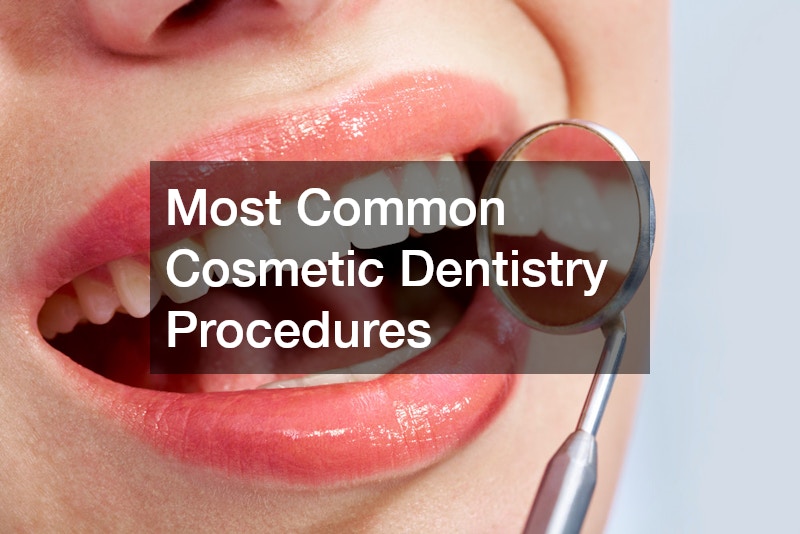
Most Common Cosmetic Dentistry Procedures

What are the most common cosmetic dentistry procedures?
Cosmetic dentistry encompasses a variety of procedures designed to enhance the appearance of teeth, gums, and overall smile. These procedures include teeth whitening, veneers, bonding, and orthodontics, among others.
Each procedure has its unique benefits, catering to different cosmetic desires and dental needs. Among these, teeth whitening and veneers are among the most popular due to their quick results and aesthetic appeal. Many people turn to cosmetic dentistry to achieve a more confident smile, effectively boosting self-esteem and improving social interactions.
Teeth whitening is a popular cosmetic dentistry procedure used to lighten teeth and remove stains and discoloration. Veneers, on the other hand, are a thin shell designed to cover the front surface of teeth for aesthetic improvement. Both procedures are minimally invasive and affordable, providing a viable option for individuals looking to enhance their smile. Additionally, cosmetic dentistry solutions can also address functional issues, such as alignment, thus providing better overall oral health. Although not necessary for dental health, cosmetic dentistry can provide significant emotional and psychological benefits to patients.
Modern cosmetic dentistry has made significant advancements, making it possible for almost anyone to achieve their ideal smile quickly and effortlessly. As public interest in maintaining a beautiful smile grows, these procedures have become more accessible and less expensive. This, in turn, has led to an increased demand for cosmetic dental services worldwide. Along with improving aesthetic appeal, these procedures can also assist in correcting bite issues and improving chewing function. Ultimately, cosmetic dentistry is an investment in one’s self-confidence and oral health.
How does teeth whitening work, and is it safe?
Teeth whitening is a straightforward cosmetic dentistry procedure that involves bleaching teeth to remove stains and discolorations. It typically uses whitening agents such as hydrogen peroxide or carbamide peroxide to lift stains and lighten enamel. Over-the-counter products offer moderate results, while professional whitening procedures provide a more dramatic improvement. The procedure is considered safe when performed by a qualified dental professional, as it minimizes risks of damage to the enamel or gums. To maintain the results, patients are advised to avoid stain-inducing foods and beverages and to incorporate regular dental cleanings.
Safety is paramount in cosmetic dentistry, and teeth whitening is no exception. While the procedure is generally safe, improper use of whitening products can lead to tooth sensitivity and gum irritation. Dentists can conduct an initial evaluation to determine the appropriateness of whitening treatments for individual patients. Professional whitening sessions are meticulously controlled to ensure both effectiveness and safety, often yielding results after just one visit. It’s crucial to follow post-procedure care instructions to prolong the whitening effects and maintain oral health.
Professional whitening is often preferred due to its effectiveness and the supervision involved, tailoring treatments to each individual’s need. Home whitening kits or natural remedies may provide limited results, especially for deep stains. Teeth whitening isn’t a one-time ordeal; regular touch-ups are recommended to maintain a bright smile. Despite these challenges, achieving a whiter smile can significantly boost personal confidence and improve professional and social interactions. When considering whitening, consulting with a dental professional is essential to ensure best practices and to evaluate any potential risks.
What are veneers, and how long do they last?
Veneers are custom-made shells designed to cover the front surface of teeth, providing a cosmetic makeover. They are often crafted from porcelain or composite resin, chosen for their natural tooth-like appearance and durability. The process involves an initial dental evaluation, preparation of the teeth, and finally bonding the veneer securely onto the tooth. Veneers can address issues like chipped, discolored, or misaligned teeth, making them a versatile option in cosmetic dentistry. With proper care and regular dental check-ups, veneers can last between 10 to 15 years or more.
The lifespan of veneers largely depends on the material used, the expertise of the dentist, and the patient’s oral hygiene practices. Porcelain veneers are highly durable and stain-resistant, making them a popular choice for long-term improvements. Regular brushing, flossing, and avoiding excessive force on the teeth extend the life of veneers. While veneers improve the appearance significantly, they also protect the tooth underneath from further wear. Patients opting for veneers should commit to regular dental check-ups to ensure their longevity and optimal oral health.
Veneers not only enhance aesthetics but also contribute to improved oral functionality in some cases. When considering veneers, patients should discuss the potential outcomes and maintenance requirements with their dentist. While the initial investment in veneers may be higher, the long-term benefits often outweigh the costs. Veneers can transform and harmonize the overall smile, providing a boost in self-esteem and allowing for a more polished appearance. Understanding the commitment to oral care post-procedure will aid in maximizing the benefits of veneers for years to come.
Why choose cosmetic dentistry?
Cosmetic dentistry offers transformative power for individuals seeking aesthetic improvements and increased self-confidence. Through procedures like teeth whitening and veneers, patients can achieve a significant transformation in a relatively short period. The growing availability and advancements in these procedures have made achieving a perfect smile more attainable than ever before. In addition to enhancing one’s aesthetic appeal, cosmetic dentistry also promotes better oral health and hygiene habits. Choosing cosmetic dentistry is an investment in self-confidence, personal satisfaction, and overall well-being.
With expert dental care and the right procedural choice, individuals can tailor their dental treatments to meet specific needs and preferences. The impact of a confident smile transcends appearances, influencing every aspect of a person’s life from professional to personal interactions. Investing in cosmetic procedures can contribute to lifelong oral health and a lasting positive self-image. Besides the newfound joy with their appearance, patients often report a stronger inclination to maintain their overall dental health. As such, cosmetic dentistry serves both aesthetic and health-related aspirations, truly enhancing the quality of life for many.
When considering cosmetic dentistry, it is imperative to consult with experienced and reputable dental professionals. An informed decision involves understanding each procedure’s intricacies, benefits, and maintenance requirements to achieve desired results. Ultimately, cosmetic dentistry empowers individuals to take charge of their dental aesthetics, offering lasting improvements and newfound confidence. As advancements continue, these procedures will become even more accessible, further encouraging individuals to explore their options for enhancing their dental appearance. Embracing cosmetic dentistry’s potential ensures a bright, healthy, and happy smile for years to come.